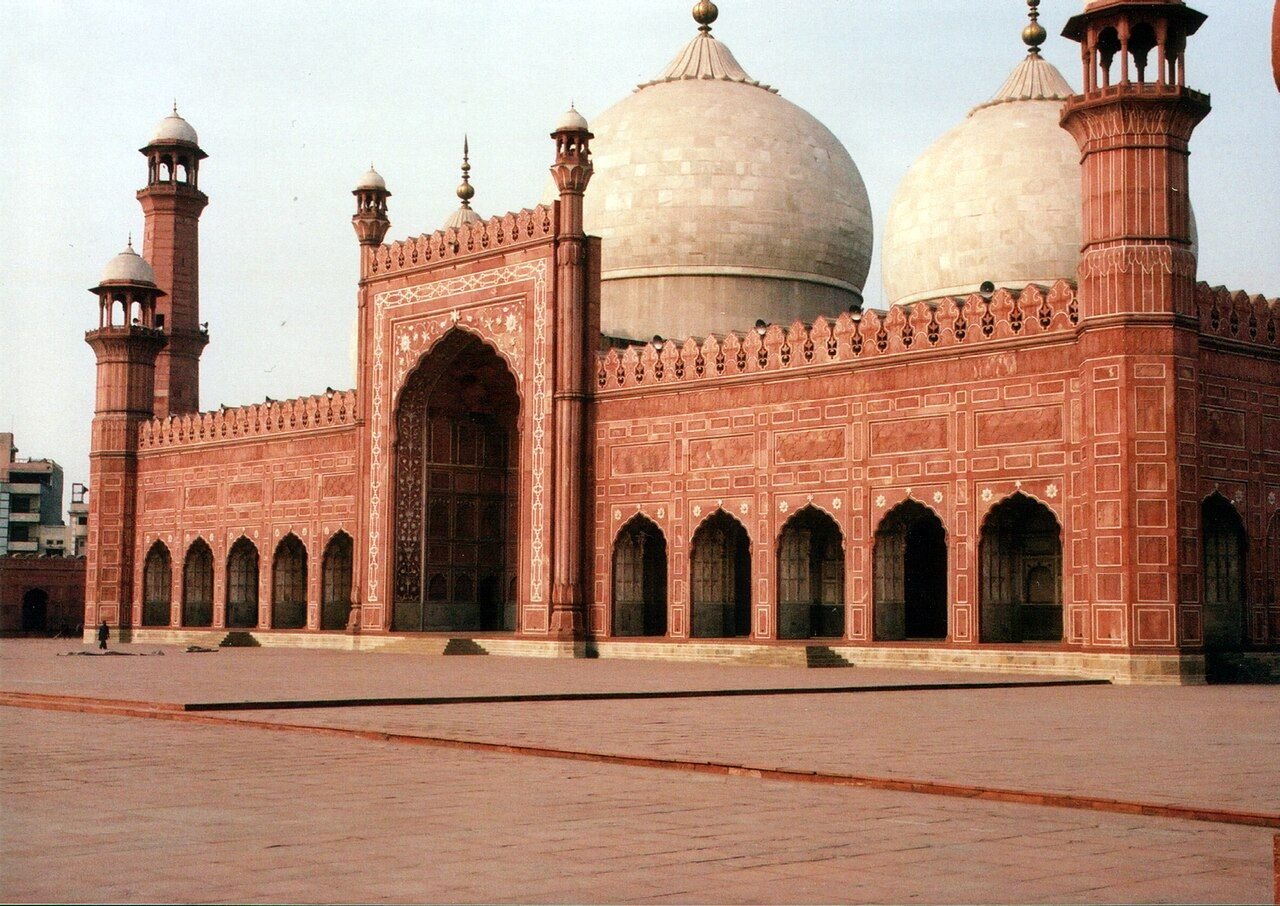
What are the five pillars of Islam?
The five pillars are the shahada, salah, zakat, sawm and Hajj. Sahih al-Bukhari 8 reports Ibn Umar narrating that Islam is based on five: testifying that none has the right to be worshipped but Allah and that Muhammad is His messenger, establishing prayer, paying zakat, performing Hajj and fasting in Ramadan. Sahih Muslim 16a describes Islam as a structure raised on these five pillars.
The order differs slightly between narrations: Sahih al-Bukhari 8 lists Hajj before fasting, while in Sahih Muslim 16a Ibn Umar tells a listener that the fast of Ramadan comes first. The hadith of Jibril in Sahih Muslim 8a gives the same five and adds that Hajj is for those able to make the journey.
What is the shahada, and who does it apply to?
The shahada is the testimony that there is no god but Allah and that Muhammad is the messenger of Allah, often transliterated ashhadu an la ilaha illallah, wa ashhadu anna Muhammadan rasulullah. It is the foundation of the other pillars: Sahih al-Bukhari 1395 records the Prophet telling Mu’adh to invite the people of Yemen first to this testimony, then to teach them the five daily prayers, and then zakat.
Sincerely bearing this witness is how a person enters Islam, and it does not depend on wealth or physical ability. Afterwards it is lived out through the other pillars and renewed in daily worship. The shahada guide explains its two parts and how someone takes that first step.
Who must pray the five daily prayers?
Salah is required five times each day and night of every Muslim who has reached puberty and is of sound mind. Qur’an 4:103 states that prayer at fixed times is prescribed for the believers, and in Sahih al-Bukhari 46 the Prophet told a man asking about Islam that he must offer five prayers in a day and night, with anything more being voluntary.
Sunan Abi Dawud 4403, graded sahih by al-Albani, names three whose actions are not recorded: a sleeper until he wakes, a child until puberty and a person who has lost their reason. Children are still taught gradually, from seven according to Sunan Abi Dawud 495, graded hasan sahih by al-Albani. A woman does not pray during menstruation and does not make those prayers up, as Aisha explains in Sahih Muslim 335c.
Illness changes the form of prayer rather than cancelling it. Sahih al-Bukhari 1117 records the instruction to pray standing, then sitting if unable to stand, then lying on one’s side if unable to sit. The salah guide covers purification, times and the full method.
Who has to pay zakat?
Zakat is due from a Muslim whose qualifying wealth reaches the nisab, the minimum threshold, and is held for a full lunar year. A SeekersGuidance Hanafi answer describes it as obligatory on every sane adult Muslim who holds the nisab for one whole lunar year, and applies 2.5 percent to monetary wealth and trade goods after excluding basic needs and deducting debts.
The hadith set thresholds by type of wealth. Sahih al-Bukhari 1447 records that no zakat is due on less than five awaq of silver, five camels or five wasq of produce, and Sunan Abi Dawud 1573, graded sahih by al-Albani, mentions two hundred dirhams, twenty dinars and the passing of a year. Qur’an 9:60 names who may receive zakat, beginning with the poor and the needy.
Some conditions differ by school. The National Zakat Foundation notes that the Hanafi school does not make zakat obligatory on the wealth of children before puberty, while the other three schools do. Current nisab values and the calculation belong to the zakat guide.
Who has to fast in Ramadan?
Fasting in Ramadan, from true dawn until sunset, is required of adult Muslims of sound mind who are able to fast. Qur’an 2:183 prescribes fasting for believers as it was prescribed for those before them, and Qur’an 2:185 names Ramadan as the month to fast. A SeekersGuidance Shafi’i account lists four conditions: being Muslim, having reached puberty, being sane and being able to fast.
Qur’an 2:184 and 2:185 allow someone who is ill or travelling to make up the same number of days later. In Sahih Muslim 335c, Aisha explains that women make up fasts missed during menstruation, though not prayers. The Ramadan guide covers the ransom of feeding the needy mentioned in Qur’an 2:184, and what breaks a fast.
Who has to perform Hajj?
Hajj, the pilgrimage to Makkah in Dhul Hijjah, is required once in a lifetime of every adult Muslim able to make the journey. Qur’an 3:97 describes it as a duty owed to Allah by whoever can find a way to the House. In Sahih Muslim 1337 the Prophet declined to make it annual, and Sunan Abi Dawud 1721, graded sahih by al-Albani, reports that it is once, with more being voluntary.
Ability has several parts. A SeekersGuidance answer by Shaykh Yusuf Weltch, drawing on Hanafi texts, lists being Muslim, sane, mature and free, with provision for the return journey and the ability to travel, counting only wealth beyond what one’s family needs. Sahih al-Bukhari 1513 records a woman allowed to perform Hajj for her elderly father, who could not sit firmly on a mount.
How do the five pillars fit together?
The pillars move from belief into daily, yearly and lifetime worship. The shahada states what a Muslim believes, prayer returns to it several times a day, zakat and fasting come round each year, and Hajj crowns a lifetime for those able. The sequence the Prophet gave Mu’adh in Sahih al-Bukhari 1395 begins with the testimony and prayer before zakat.
| Pillar | What it is | Who it applies to | How often | Where to learn more |
|---|---|---|---|---|
| Shahada | Testifying that there is no god but Allah and that Muhammad is His messenger | Everyone entering Islam, then every Muslim for life | Once to enter Islam, then renewed in worship | Shahada guide |
| Salah | Five obligatory prayers at set times | Muslims past puberty and of sound mind; not during menstruation | Five times a day | How to pray salah |
| Zakat | A payment, commonly 2.5 percent, from qualifying wealth to eligible recipients | Those whose wealth reaches the nisab for a lunar year; schools differ on children’s wealth | Yearly | Zakat guide and estimator |
| Sawm | Fasting from dawn to sunset in Ramadan | Adults of sound mind able to fast; the ill and travellers make up days | Every Ramadan | Ramadan fasting guide |
| Hajj | Pilgrimage to Makkah in Dhul Hijjah | Adults with the means and ability to travel | Once in a lifetime | Hajj guide |
Are the five pillars the whole of Islam?
No. The pillars are the foundation, but the religion also includes faith, character and many other duties and good deeds. The hadith of Jibril in Sahih Muslim 8a places them beside iman, the six articles of faith, and ihsan, worshipping Allah as though you see Him, and Sahih Muslim 35a says that faith has over seventy branches, with modesty among them.
The pillars are also the minimum not to be neglected. In Sahih al-Bukhari 46, a man told about the five prayers, the Ramadan fast and zakat swore that he would do neither less nor more, and the Prophet said he would be successful if he was truthful. Voluntary prayer, fasting and charity build on that base.
What if you struggle to keep the pillars?
Start with what you can do consistently and build from there. Qur’an 2:286 states that Allah does not burden a soul beyond its capacity, and Sahih al-Bukhari 39 records the Prophet saying that the religion is easy and that whoever overburdens himself in it will not be able to continue. Sahih al-Bukhari 6464 adds that the most beloved deed to Allah is the most regular, even if small.
For a new Muslim, a young person or someone returning to practice, that usually means learning the prayer in stages, asking about genuine exemptions rather than assuming them, and asking a teacher about missed prayers or fasts.
Quran passages in this guide
Read each complete verse below in Arabic and the identified English interpretation. Follow the context link before drawing conclusions from an isolated verse.
Al-Baqara 2:43. Establishing prayer and paying zakat, commanded together.
وَأَقِيمُوا۟ ٱلصَّلَوٰةَ وَءَاتُوا۟ ٱلزَّكَوٰةَ وَٱرْكَعُوا۟ مَعَ ٱلرَّٰكِعِينَ ٤٣
And establish prayer and give zakah and bow with those who bow [in worship and obedience].
Translation: Saheeh International · Read in context
An-Nisaa 4:103. Prayer at fixed times prescribed for the believers.
فَإِذَا قَضَيْتُمُ ٱلصَّلَوٰةَ فَٱذْكُرُوا۟ ٱللَّهَ قِيَـٰمًا وَقُعُودًا وَعَلَىٰ جُنُوبِكُمْ ۚ فَإِذَا ٱطْمَأْنَنتُمْ فَأَقِيمُوا۟ ٱلصَّلَوٰةَ ۚ إِنَّ ٱلصَّلَوٰةَ كَانَتْ عَلَى ٱلْمُؤْمِنِينَ كِتَـٰبًا مَّوْقُوتًا ١٠٣
And when you have completed the prayer, remember Allah standing, sitting, or [lying] on your sides. But when you become secure, re-establish [regular] prayer. Indeed, prayer has been decreed upon the believers a decree of specified times.
Translation: Saheeh International · Read in context
At-Tawba 9:60. The categories of people who may receive zakat.
۞ إِنَّمَا ٱلصَّدَقَـٰتُ لِلْفُقَرَآءِ وَٱلْمَسَـٰكِينِ وَٱلْعَـٰمِلِينَ عَلَيْهَا وَٱلْمُؤَلَّفَةِ قُلُوبُهُمْ وَفِى ٱلرِّقَابِ وَٱلْغَـٰرِمِينَ وَفِى سَبِيلِ ٱللَّهِ وَٱبْنِ ٱلسَّبِيلِ ۖ فَرِيضَةً مِّنَ ٱللَّهِ ۗ وَٱللَّهُ عَلِيمٌ حَكِيمٌ ٦٠
Zakah expenditures are only for the poor and for the needy and for those employed to collect [zakah] and for bringing hearts together [for Islam] and for freeing captives [or slaves] and for those in debt and for the cause of Allah and for the [stranded] traveler - an obligation [imposed] by Allah. And Allah is Knowing and Wise.
Translation: Saheeh International · Read in context
Al-Baqara 2:183. Fasting prescribed as it was for those before.
يَـٰٓأَيُّهَا ٱلَّذِينَ ءَامَنُوا۟ كُتِبَ عَلَيْكُمُ ٱلصِّيَامُ كَمَا كُتِبَ عَلَى ٱلَّذِينَ مِن قَبْلِكُمْ لَعَلَّكُمْ تَتَّقُونَ ١٨٣
O you who have believed, decreed upon you is fasting as it was decreed upon those before you that you may become righteous -
Translation: Saheeh International · Read in context
Al-Baqara 2:184. Making up days for the ill and travellers, and the ransom of feeding the needy.
أَيَّامًا مَّعْدُودَٰتٍ ۚ فَمَن كَانَ مِنكُم مَّرِيضًا أَوْ عَلَىٰ سَفَرٍ فَعِدَّةٌ مِّنْ أَيَّامٍ أُخَرَ ۚ وَعَلَى ٱلَّذِينَ يُطِيقُونَهُۥ فِدْيَةٌ طَعَامُ مِسْكِينٍ ۖ فَمَن تَطَوَّعَ خَيْرًا فَهُوَ خَيْرٌ لَّهُۥ ۚ وَأَن تَصُومُوا۟ خَيْرٌ لَّكُمْ ۖ إِن كُنتُمْ تَعْلَمُونَ ١٨٤
[Fasting for] a limited number of days. So whoever among you is ill or on a journey [during them] - then an equal number of days [are to be made up]. And upon those who are able [to fast, but with hardship] - a ransom [as substitute] of feeding a poor person [each day]. And whoever volunteers excess - it is better for him. But to fast is best for you, if you only knew.
Translation: Saheeh International · Read in context
Al-Baqara 2:185. Ramadan as the month of fasting.
شَهْرُ رَمَضَانَ ٱلَّذِىٓ أُنزِلَ فِيهِ ٱلْقُرْءَانُ هُدًى لِّلنَّاسِ وَبَيِّنَـٰتٍ مِّنَ ٱلْهُدَىٰ وَٱلْفُرْقَانِ ۚ فَمَن شَهِدَ مِنكُمُ ٱلشَّهْرَ فَلْيَصُمْهُ ۖ وَمَن كَانَ مَرِيضًا أَوْ عَلَىٰ سَفَرٍ فَعِدَّةٌ مِّنْ أَيَّامٍ أُخَرَ ۗ يُرِيدُ ٱللَّهُ بِكُمُ ٱلْيُسْرَ وَلَا يُرِيدُ بِكُمُ ٱلْعُسْرَ وَلِتُكْمِلُوا۟ ٱلْعِدَّةَ وَلِتُكَبِّرُوا۟ ٱللَّهَ عَلَىٰ مَا هَدَىٰكُمْ وَلَعَلَّكُمْ تَشْكُرُونَ ١٨٥
The month of Ramadhan [is that] in which was revealed the Qur’an, a guidance for the people and clear proofs of guidance and criterion. So whoever sights [the new moon of] the month, let him fast it; and whoever is ill or on a journey - then an equal number of other days. Allah intends for you ease and does not intend for you hardship and [wants] for you to complete the period and to glorify Allah for that [to] which He has guided you; and perhaps you will be grateful.
Translation: Saheeh International · Read in context
Aal-i-Imraan 3:97. Pilgrimage to the House for whoever can find a way there.
فِيهِ ءَايَـٰتٌۢ بَيِّنَـٰتٌ مَّقَامُ إِبْرَٰهِيمَ ۖ وَمَن دَخَلَهُۥ كَانَ ءَامِنًا ۗ وَلِلَّهِ عَلَى ٱلنَّاسِ حِجُّ ٱلْبَيْتِ مَنِ ٱسْتَطَاعَ إِلَيْهِ سَبِيلًا ۚ وَمَن كَفَرَ فَإِنَّ ٱللَّهَ غَنِىٌّ عَنِ ٱلْعَـٰلَمِينَ ٩٧
In it are clear signs [such as] the standing place of Abraham. And whoever enters it shall be safe. And [due] to Allah from the people is a pilgrimage to the House - for whoever is able to find thereto a way. But whoever disbelieves - then indeed, Allah is free from need of the worlds.
Translation: Saheeh International · Read in context
Al-Baqara 2:286. No soul is burdened beyond its capacity.
لَا يُكَلِّفُ ٱللَّهُ نَفْسًا إِلَّا وُسْعَهَا ۚ لَهَا مَا كَسَبَتْ وَعَلَيْهَا مَا ٱكْتَسَبَتْ ۗ رَبَّنَا لَا تُؤَاخِذْنَآ إِن نَّسِينَآ أَوْ أَخْطَأْنَا ۚ رَبَّنَا وَلَا تَحْمِلْ عَلَيْنَآ إِصْرًا كَمَا حَمَلْتَهُۥ عَلَى ٱلَّذِينَ مِن قَبْلِنَا ۚ رَبَّنَا وَلَا تُحَمِّلْنَا مَا لَا طَاقَةَ لَنَا بِهِۦ ۖ وَٱعْفُ عَنَّا وَٱغْفِرْ لَنَا وَٱرْحَمْنَآ ۚ أَنتَ مَوْلَىٰنَا فَٱنصُرْنَا عَلَى ٱلْقَوْمِ ٱلْكَـٰفِرِينَ ٢٨٦
Allah does not charge a soul except [with that within] its capacity. It will have [the consequence of] what [good] it has gained, and it will bear [the consequence of] what [evil] it has earned. “Our Lord, do not impose blame upon us if we have forgotten or erred. Our Lord, and lay not upon us a burden like that which You laid upon those before us. Our Lord, and burden us not with that which we have no ability to bear. And pardon us; and forgive us; and have mercy upon us. You are our protector, so give us victory over the disbelieving people.”
Translation: Saheeh International · Read in context
Questions readers often ask
Why are they called pillars?
The image comes from the hadith itself. Sahih Muslim 16a describes Islam as a structure raised on five pillars, and Sahih al-Bukhari 8 says it is based on five. As a building rests on its supports, a Muslim’s practice rests on these five acts.
Do children have to observe the five pillars?
Children are not legally accountable until puberty, according to Sunan Abi Dawud 4403, but they are taught gradually: Sunan Abi Dawud 495 mentions prayer at seven, and the SeekersGuidance Shafi’i account says a child able to fast is told to from seven. Schools differ over zakat on children’s wealth.
Is zakat the same as sadaqah or zakat al-fitr?
No. Sadaqah is voluntary charity: in Sahih al-Bukhari 46 the Prophet said nothing beyond zakat was required unless a person wished to give alms. Zakat al-fitr is a separate payment at the end of Ramadan, which Sahih al-Bukhari 1503 describes as due for young and old alike.
Can someone perform Hajj on behalf of another person?
In some cases, yes. Sahih al-Bukhari 1513 records the Prophet permitting a woman to perform Hajj for her father, who was old and too weak to sit firmly on a mount. The conditions differ by school, so ask a teacher or your Hajj organiser before arranging it.
Which pillar comes first?
The shahada comes first, because the other pillars are acts of worship built on it. In Sahih al-Bukhari 1395, Mu’adh was told to invite people to the testimony, then teach the five daily prayers, then zakat. Prayer is the most frequent act, prescribed at fixed times.
Sources
-
Sahih al-Bukhari 8 Primary text
Ibn Umar: Islam is based on five principles.
-
Sahih Muslim 16a Primary text
Islam raised on five pillars, with Ibn Umar placing the fast of Ramadan before Hajj.
-
Sahih Muslim 8a Primary text
The hadith of Jibril: islam defined through the five, with Hajj for those able.
-
Sahih al-Bukhari 1395 Primary text
Mu’adh sent to Yemen: the testimony first, then five prayers, then zakat.
-
Sahih al-Bukhari 46 Primary text
The man from Najd told of five prayers, Ramadan and zakat, with voluntary acts beyond them.
-
Sunan Abi Dawud 4403 Primary text
Three whose actions are not recorded; graded sahih by al-Albani on the page.
-
Sunan Abi Dawud 495 Primary text
Teaching children to pray at seven; graded hasan sahih by al-Albani on the page.
-
Sahih Muslim 335c Primary text
Aisha: fasts missed in menstruation are made up, prayers are not.
-
Sahih al-Bukhari 1117 Primary text
Pray standing, sitting or lying on one’s side according to ability.
-
Sahih al-Bukhari 1447 Primary text
No zakat on less than five camels, five awaq of silver or five wasq.
-
Sunan Abi Dawud 1573 Primary text
Two hundred dirhams, twenty dinars and the passing of a year; graded sahih by al-Albani on the page.
-
Sahih Muslim 1337 Primary text
Hajj made obligatory, not every year; chapter: Hajj is obligatory once in a lifetime.
-
Sunan Abi Dawud 1721 Primary text
Hajj only once, and more is voluntary; graded sahih by al-Albani on the page.
-
Sahih al-Bukhari 1513 Primary text
A woman permitted to perform Hajj for her elderly father.
-
Sahih al-Bukhari 1503 Primary text
Zakat al-fitr due for young and old, paid before the Eid prayer.
-
Sahih Muslim 35a Primary text
Faith has over seventy branches, and modesty is one of them.
-
Sahih al-Bukhari 39 Primary text
The religion is easy; do not overburden yourself.
-
Sahih al-Bukhari 6464 Primary text
The most beloved deed is the most regular, even if little.
-
Qur’an 4:103 Primary text
Prayer at fixed times; rendered on this page from the verified local corpus.
-
Qur’an 9:60 Primary text
The recipients of zakat.
-
Qur’an 2:183–185 Primary text
Fasting prescribed, the month of Ramadan, and making up days for the ill and travellers.
-
Qur’an 3:97 Primary text
Hajj a duty for whoever can find a way to the House.
-
Qur’an 2:286 Primary text
Allah does not burden a soul beyond its capacity.
-
SeekersGuidance: How Do I Determine How Much Zakat I Owe? Scholarly guidance
Sidi Wasim Shiliwala’s Hanafi answer on who owes zakat, the lunar year and the 2.5 percent rate.
-
National Zakat Foundation: Is Zakat Obligatory on Children? Comparative reference
The Hanafi view and the Maliki, Shafi’i and Hanbali view on children’s wealth.
-
SeekersGuidance: The Fiqh of Fasting Ramadan According to the School of Imam Shafi’i Scholarly guidance
Shaykh Jamir D. Meah on who must fast, children, illness, travel and menstruation.
-
SeekersGuidance: When Does Hajj Become Obligatory on a Person? Scholarly guidance
Shaykh Yusuf Weltch, approved by Shaykh Faraz Rabbani: six conditions and surplus wealth.
Qur’an Arabic: Tanzil (CC BY 3.0). English: Saheeh International (via Tanzil).
Pass it on
If this guide helped you, share it with someone it could help too.