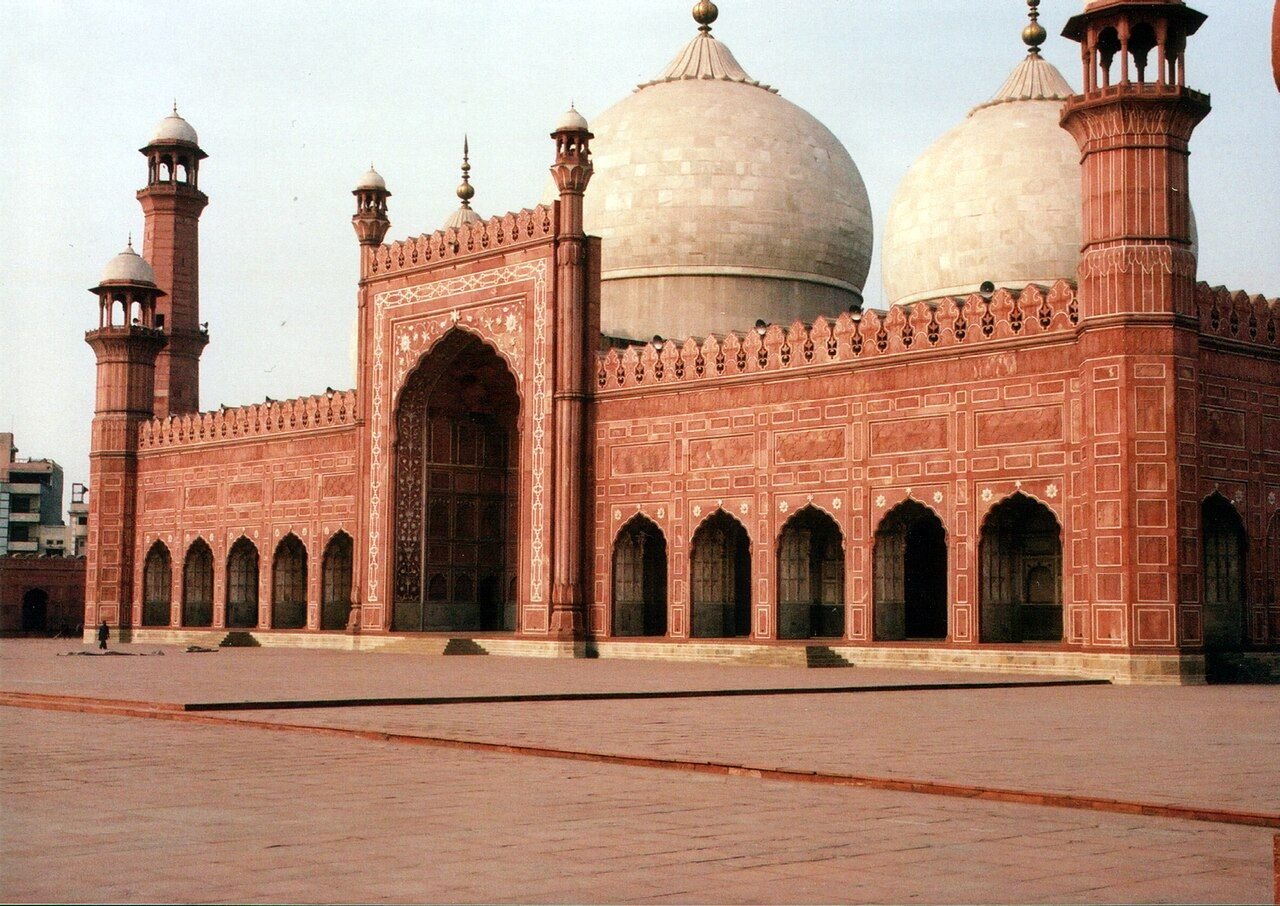
Who are the 25 prophets named in the Qur’an?
The Qur’an names twenty-five prophets, from Adam to Muhammad. In his commentary on Qur’an 4:164, Ibn Kathir lists twenty-four of them by name and adds that several scholars of tafsir also counted Dhul-Kifl, which gives the familiar total of twenty-five. Eighteen of them appear together in one passage, Qur’an 6:83-86, from Abraham to Lot.
The other seven, Adam, Idris, Hud, Salih, Shu’ayb, Dhul-Kifl and Muhammad, are named elsewhere. The table gives each name as it is usually transliterated from Arabic, the common English form where one exists, and two verses where the English translation used on this site names him. Some translations, including the one shown on Quran.com, render Idris as Enoch.
| Name in the Qur’an | Common English name | Where the Qur’an names him |
|---|---|---|
| Adam | Adam | 2:31; 3:33 |
| Idris | Rendered Enoch in some translations | 19:56; 21:85 |
| Nuh | Noah | 71:1; 6:84 |
| Hud | No agreed English equivalent | 11:50; 7:65 |
| Salih | No agreed English equivalent | 11:61; 7:73 |
| Ibrahim | Abraham | 19:41; 4:125 |
| Lut | Lot | 6:86; 37:133 |
| Ismail | Ishmael | 19:54; 2:127 |
| Ishaq | Isaac | 19:49; 37:112 |
| Yaqub | Jacob | 19:49; 2:132 |
| Yusuf | Joseph | 12:4; 6:84 |
| Ayyub | Job | 21:83; 38:41 |
| Shu’ayb | No agreed English equivalent | 11:84; 7:85 |
| Musa | Moses | 19:51; 4:164 |
| Harun | Aaron | 19:53; 6:84 |
| Dhul-Kifl | No agreed English equivalent | 21:85; 38:48 |
| Dawud | David | 4:163; 38:17 |
| Sulayman | Solomon | 27:15; 6:84 |
| Ilyas | Elijah (Elias) | 6:85; 37:123 |
| Al-Yasa’ | Elisha | 6:86; 38:48 |
| Yunus | Jonah | 10:98; 37:139 |
| Zakariyya | Zechariah (Zachariah) | 19:2; 6:85 |
| Yahya | John | 19:12; 6:85 |
| Isa | Jesus | 3:45; 6:85 |
| Muhammad | Muhammad | 33:40; 48:29 |
Were there prophets besides the 25 named in the Qur’an?
Yes. The Qur’an says plainly that it does not name every messenger: Qur’an 40:78 and 4:164 say that Allah told the Prophet about some messengers and not about others. Qur’an 35:24 adds that every nation has had a warner, and 16:36 that a messenger was raised in every nation to call people to serve Allah. Twenty-five is therefore a teaching count of the prophets the Qur’an names, not a total.
Scholars also differ over some figures the Qur’an mentions. The views below are attributed to the sources cited, and a teacher can explain the evidence each side relies on.
- Dhul-Kifl is praised among the steadfast and the chosen (21:85, 38:48); Ibn Kathir mentions him after his list, noting that several commentators counted him among the prophets.
- Luqman, after whom Surah 31 is named, was given wisdom (31:12); Ibn Kathir reports that the early generations differed and that most held he was a righteous servant, not a prophet.
- Al-Khidr, the servant of Allah whom Musa meets in Surah Al-Kahf (18:65), is not named in the Qur’an; a SeekersGuidance answer reports that scholars differed, with Ibn Hajar citing Ibn Atiyya that most held he was a prophet and others, such as al-Qushayri, calling him a saint.
- Dhul-Qarnayn, the ruler in Surah Al-Kahf (18:83), is described in a SeekersGuidance article as a righteous ruler whom most scholars did not consider a prophet.
Why do Muslims believe in all the prophets?
Belief in all of Allah’s messengers is part of Muslim faith, and the Qur’an rules out accepting some while rejecting others. Qur’an 2:285 describes the Messenger and the believers as believing in Allah, His angels, His scriptures and His messengers, saying that they make no distinction between any of His messengers. Qur’an 2:136 tells Muslims to affirm what was revealed to Abraham, Ishmael, Isaac, Jacob and the tribes, and what Moses, Jesus and the prophets received from their Lord.
Ibn Kathir explains the phrase in his commentary on 2:285: believers do not differentiate between the prophets by believing in some and rejecting others, but hold all of them to be truthful and rightly guided. This does not mean every prophet had the same rank, since Qur’an 2:253 says Allah caused some messengers to excel others. In Sahih al-Bukhari 3443 the Prophet described the prophets as brothers with one father and different mothers, whose religion is one.
What is the difference between a prophet (nabi) and a messenger (rasul)?
Scholars have differed over whether the two words mean different things, and those who distinguish them explain the difference in more than one way. An IslamQA answer, which holds that there is a difference, gives the best-known view in the words of al-Khattabi: both receive revelation, but the messenger (rasul) is the one commanded to convey it, so every messenger is a prophet (nabi) but not every prophet is a messenger.
The same answer cites other scholars who say that a messenger brings a book or a new law, often to a people who reject the truth, while a prophet calls people to the law of an earlier messenger, as the prophets of the Children of Israel judged by the Torah. Qur’an 22:52 speaks of both a messenger and a prophet being sent, and Qur’an 19:51 and 19:54 describe Musa and Ismail as each being a messenger and a prophet.
Who are the messengers of firm resolve (ulu al-’azm)?
They are five messengers commonly singled out for their patience and determination: Nuh, Ibrahim, Musa, Isa and Muhammad. Qur’an 46:35 tells the Prophet to be patient as the messengers of firm resolve were patient, without naming them; Ibn Kathir, commenting on that verse, identifies these five and notes that the Qur’an names them together in 33:7 and 42:13.
Qur’an 33:7 describes the solemn covenant Allah took from the prophets, naming the Prophet, Noah, Abraham, Moses and Jesus son of Mary, and 42:13 says the religion ordained for the believers is the one commended to Noah, Abraham, Moses and Jesus. Ibn Kathir’s commentary on 33:7 calls them the five mighty messengers with strong resolve.
What does it mean that Muhammad is the Seal of the Prophets?
It means he is the last of the prophets, completing the line that began with Adam. Qur’an 33:40 says that Muhammad is not the father of any of your men, but the messenger of Allah and the Seal of the Prophets. In Sahih al-Bukhari 3535 he compared the prophets before him to a fine house with one brick missing from a corner, and said: I am that brick, and I am the last of the prophets.
Britannica’s article on Islam likewise explains that Muslims regard Muhammad as the last of a series of prophets, including Adam, Noah, Abraham, Moses, Solomon and Jesus, whose message completes the earlier revelations. Qur’an 61:6 records Jesus giving good tidings of a messenger who would come after him, whose name, Ahmad, is rendered as the Praised One in the translation used on this site.
What lessons do the prophets’ stories teach?
The Qur’an tells these stories to guide and strengthen its readers. Qur’an 12:111 says there is a lesson in their history for people of understanding, and 11:120 says the stories of the messengers are told to make the Prophet’s heart firm. The examples below show some of the qualities the stories teach.
Ibn Kathir, commenting on Ayyub, says he was made an example so that people beset by trials would not think Allah had stopped caring for them, and so that they could take him as a model of patience in accepting what Allah decrees.
- Patience: Ayyub called on his Lord, the Most Merciful, in his affliction and was restored (21:83-84), and Allah says, We found him steadfast (38:44).
- Forgiveness: when the brothers who had wronged Yusuf stood before him, he told them they had nothing to fear that day and prayed that Allah would forgive them (12:92).
- Trust: when Ibrahim was thrown into the fire, Allah commanded it to be coolness and peace for him (21:69), and Ibn Abbas reports that his words were: Allah is sufficient for us, and He is the best disposer of affairs (Sahih al-Bukhari 4563).
- Turning back to Allah: Yunus, called Dhu’n-Nun in 21:87, cried out in the darkness that there is no god but Him and confessed his wrong, and Allah saved him (21:87-88).
- Perseverance: Nuh remained among his people for a thousand years less fifty, calling them to Allah (29:14).
Which surahs of the Qur’an are named after prophets?
Six chapters carry a prophet’s name: Yunus (10), Hud (11), Yusuf (12), Ibrahim (14), Muhammad (47) and Nuh (71). Surah Maryam (19) is named after Maryam, the mother of Isa, and tells of Zakariyya, Yahya, Isa, Ibrahim, Ishaq, Yaqub, Musa, Harun, Ismail and Idris, while Surah Al-Anbiya (21), whose title means the Prophets, gathers many of their stories in one chapter.
Reading one of these surahs from beginning to end is a good way to meet the prophets in the Qur’an’s own words. Surah Yusuf, which the Qur’an introduces as the best of narratives (12:3), follows Yusuf from his childhood dream (12:4) to his reunion with his family (12:100).
Quran passages in this guide
Read each complete verse below in Arabic and the identified English interpretation. Follow the context link before drawing conclusions from an isolated verse.
Al-An’aam 6:83. Abraham given Allah’s argument against his people.
وَتِلْكَ حُجَّتُنَآ ءَاتَيْنَـٰهَآ إِبْرَٰهِيمَ عَلَىٰ قَوْمِهِۦ ۚ نَرْفَعُ دَرَجَـٰتٍ مَّن نَّشَآءُ ۗ إِنَّ رَبَّكَ حَكِيمٌ عَلِيمٌ ٨٣
And that was Our [conclusive] argument which We gave Abraham against his people. We raise by degrees whom We will. Indeed, your Lord is Wise and Knowing.
Translation: Saheeh International · Read in context
Al-An’aam 6:84. Isaac, Jacob, Noah, David, Solomon, Job, Joseph, Moses and Aaron named.
وَوَهَبْنَا لَهُۥٓ إِسْحَـٰقَ وَيَعْقُوبَ ۚ كُلًّا هَدَيْنَا ۚ وَنُوحًا هَدَيْنَا مِن قَبْلُ ۖ وَمِن ذُرِّيَّتِهِۦ دَاوُۥدَ وَسُلَيْمَـٰنَ وَأَيُّوبَ وَيُوسُفَ وَمُوسَىٰ وَهَـٰرُونَ ۚ وَكَذَٰلِكَ نَجْزِى ٱلْمُحْسِنِينَ ٨٤
And We gave to Abraham, Isaac and Jacob - all [of them] We guided. And Noah, We guided before; and among his descendants, David and Solomon and Job and Joseph and Moses and Aaron. Thus do We reward the doers of good.
Translation: Saheeh International · Read in context
Al-An’aam 6:85. Zachariah, John, Jesus and Elias named.
وَزَكَرِيَّا وَيَحْيَىٰ وَعِيسَىٰ وَإِلْيَاسَ ۖ كُلٌّ مِّنَ ٱلصَّـٰلِحِينَ ٨٥
And Zechariah and John and Jesus and Elias - and all were of the righteous.
Translation: Saheeh International · Read in context
Al-An’aam 6:86. Ishmael, Elisha, Jonah and Lot named.
وَإِسْمَـٰعِيلَ وَٱلْيَسَعَ وَيُونُسَ وَلُوطًا ۚ وَكُلًّا فَضَّلْنَا عَلَى ٱلْعَـٰلَمِينَ ٨٦
And Ishmael and Elisha and Jonah and Lot - and all [of them] We preferred over the worlds.
Translation: Saheeh International · Read in context
Al-Ghaafir 40:78. Messengers told about and messengers not told about.
وَلَقَدْ أَرْسَلْنَا رُسُلًا مِّن قَبْلِكَ مِنْهُم مَّن قَصَصْنَا عَلَيْكَ وَمِنْهُم مَّن لَّمْ نَقْصُصْ عَلَيْكَ ۗ وَمَا كَانَ لِرَسُولٍ أَن يَأْتِىَ بِـَٔايَةٍ إِلَّا بِإِذْنِ ٱللَّهِ ۚ فَإِذَا جَآءَ أَمْرُ ٱللَّهِ قُضِىَ بِٱلْحَقِّ وَخَسِرَ هُنَالِكَ ٱلْمُبْطِلُونَ ٧٨
And We have already sent messengers before you. Among them are those [whose stories] We have related to you, and among them are those [whose stories] We have not related to you. And it was not for any messenger to bring a sign [or verse] except by permission of Allah. So when the command of Allah comes, it will be concluded in truth, and the falsifiers will thereupon lose [all].
Translation: Saheeh International · Read in context
An-Nisaa 4:164. Messengers mentioned and not mentioned; Allah spoke to Moses.
وَرُسُلًا قَدْ قَصَصْنَـٰهُمْ عَلَيْكَ مِن قَبْلُ وَرُسُلًا لَّمْ نَقْصُصْهُمْ عَلَيْكَ ۚ وَكَلَّمَ ٱللَّهُ مُوسَىٰ تَكْلِيمًا ١٦٤
And [We sent] messengers about whom We have related [their stories] to you before and messengers about whom We have not related to you. And Allah spoke to Moses with [direct] speech.
Translation: Saheeh International · Read in context
Al-Baqara 2:285. Belief in all His messengers, making no distinction between them.
ءَامَنَ ٱلرَّسُولُ بِمَآ أُنزِلَ إِلَيْهِ مِن رَّبِّهِۦ وَٱلْمُؤْمِنُونَ ۚ كُلٌّ ءَامَنَ بِٱللَّهِ وَمَلَـٰٓئِكَتِهِۦ وَكُتُبِهِۦ وَرُسُلِهِۦ لَا نُفَرِّقُ بَيْنَ أَحَدٍ مِّن رُّسُلِهِۦ ۚ وَقَالُوا۟ سَمِعْنَا وَأَطَعْنَا ۖ غُفْرَانَكَ رَبَّنَا وَإِلَيْكَ ٱلْمَصِيرُ ٢٨٥
The Messenger has believed in what was revealed to him from his Lord, and [so have] the believers. All of them have believed in Allah and His angels and His books and His messengers, [saying], “We make no distinction between any of His messengers.” And they say, “We hear and we obey. [We seek] Your forgiveness, our Lord, and to You is the [final] destination.”
Translation: Saheeh International · Read in context
Al-Baqara 2:136. Affirming what was revealed to Abraham, Moses, Jesus and the prophets.
قُولُوٓا۟ ءَامَنَّا بِٱللَّهِ وَمَآ أُنزِلَ إِلَيْنَا وَمَآ أُنزِلَ إِلَىٰٓ إِبْرَٰهِـۧمَ وَإِسْمَـٰعِيلَ وَإِسْحَـٰقَ وَيَعْقُوبَ وَٱلْأَسْبَاطِ وَمَآ أُوتِىَ مُوسَىٰ وَعِيسَىٰ وَمَآ أُوتِىَ ٱلنَّبِيُّونَ مِن رَّبِّهِمْ لَا نُفَرِّقُ بَيْنَ أَحَدٍ مِّنْهُمْ وَنَحْنُ لَهُۥ مُسْلِمُونَ ١٣٦
Say, [O believers], “We have believed in Allah and what has been revealed to us and what has been revealed to Abraham and Ishmael and Isaac and Jacob and the Descendants and what was given to Moses and Jesus and what was given to the prophets from their Lord. We make no distinction between any of them, and we are Muslims [in submission] to Him.”
Translation: Saheeh International · Read in context
Al-Hajj 22:52. A messenger or a prophet sent before the Prophet.
وَمَآ أَرْسَلْنَا مِن قَبْلِكَ مِن رَّسُولٍ وَلَا نَبِىٍّ إِلَّآ إِذَا تَمَنَّىٰٓ أَلْقَى ٱلشَّيْطَـٰنُ فِىٓ أُمْنِيَّتِهِۦ فَيَنسَخُ ٱللَّهُ مَا يُلْقِى ٱلشَّيْطَـٰنُ ثُمَّ يُحْكِمُ ٱللَّهُ ءَايَـٰتِهِۦ ۗ وَٱللَّهُ عَلِيمٌ حَكِيمٌ ٥٢
And We did not send before you any messenger or prophet except that when he spoke [or recited], Satan threw into it [some misunderstanding]. But Allah abolishes that which Satan throws in; then Allah makes precise His verses. And Allah is Knowing and Wise.
Translation: Saheeh International · Read in context
Maryam 19:51. Moses described as a messenger and a prophet.
وَٱذْكُرْ فِى ٱلْكِتَـٰبِ مُوسَىٰٓ ۚ إِنَّهُۥ كَانَ مُخْلَصًا وَكَانَ رَسُولًا نَّبِيًّا ٥١
And mention in the Book, Moses. Indeed, he was chosen, and he was a messenger and a prophet.
Translation: Saheeh International · Read in context
Al-Ahqaf 46:35. Be patient as the messengers of firm resolve were patient.
فَٱصْبِرْ كَمَا صَبَرَ أُو۟لُوا۟ ٱلْعَزْمِ مِنَ ٱلرُّسُلِ وَلَا تَسْتَعْجِل لَّهُمْ ۚ كَأَنَّهُمْ يَوْمَ يَرَوْنَ مَا يُوعَدُونَ لَمْ يَلْبَثُوٓا۟ إِلَّا سَاعَةً مِّن نَّهَارٍۭ ۚ بَلَـٰغٌ ۚ فَهَلْ يُهْلَكُ إِلَّا ٱلْقَوْمُ ٱلْفَـٰسِقُونَ ٣٥
So be patient, [O Muhammad], as were those of determination among the messengers and do not be impatient for them. It will be - on the Day they see that which they are promised - as though they had not remained [in the world] except an hour of a day. [This is] notification. And will [any] be destroyed except the defiantly disobedient people?
Translation: Saheeh International · Read in context
Al-Ahzaab 33:7. The covenant taken from the prophets, naming Noah, Abraham, Moses and Jesus.
وَإِذْ أَخَذْنَا مِنَ ٱلنَّبِيِّـۧنَ مِيثَـٰقَهُمْ وَمِنكَ وَمِن نُّوحٍ وَإِبْرَٰهِيمَ وَمُوسَىٰ وَعِيسَى ٱبْنِ مَرْيَمَ ۖ وَأَخَذْنَا مِنْهُم مِّيثَـٰقًا غَلِيظًا ٧
And [mention, O Muhammad], when We took from the prophets their covenant and from you and from Noah and Abraham and Moses and Jesus, the son of Mary; and We took from them a solemn covenant.
Translation: Saheeh International · Read in context
Ash-Shura 42:13. The same religion commended to Noah, Abraham, Moses and Jesus.
۞ شَرَعَ لَكُم مِّنَ ٱلدِّينِ مَا وَصَّىٰ بِهِۦ نُوحًا وَٱلَّذِىٓ أَوْحَيْنَآ إِلَيْكَ وَمَا وَصَّيْنَا بِهِۦٓ إِبْرَٰهِيمَ وَمُوسَىٰ وَعِيسَىٰٓ ۖ أَنْ أَقِيمُوا۟ ٱلدِّينَ وَلَا تَتَفَرَّقُوا۟ فِيهِ ۚ كَبُرَ عَلَى ٱلْمُشْرِكِينَ مَا تَدْعُوهُمْ إِلَيْهِ ۚ ٱللَّهُ يَجْتَبِىٓ إِلَيْهِ مَن يَشَآءُ وَيَهْدِىٓ إِلَيْهِ مَن يُنِيبُ ١٣
He has ordained for you of religion what He enjoined upon Noah and that which We have revealed to you, [O Muhammad], and what We enjoined upon Abraham and Moses and Jesus - to establish the religion and not be divided therein. Difficult for those who associate others with Allah is that to which you invite them. Allah chooses for Himself whom He wills and guides to Himself whoever turns back [to Him].
Translation: Saheeh International · Read in context
Al-Ahzaab 33:40. Muhammad, the messenger of Allah and the Seal of the Prophets.
مَّا كَانَ مُحَمَّدٌ أَبَآ أَحَدٍ مِّن رِّجَالِكُمْ وَلَـٰكِن رَّسُولَ ٱللَّهِ وَخَاتَمَ ٱلنَّبِيِّـۧنَ ۗ وَكَانَ ٱللَّهُ بِكُلِّ شَىْءٍ عَلِيمًا ٤٠
Muhammad is not the father of [any] one of your men, but [he is] the Messenger of Allah and last of the prophets. And ever is Allah, of all things, Knowing.
Translation: Saheeh International · Read in context
As-Saff 61:6. Jesus gives good tidings of a messenger to come after him.
وَإِذْ قَالَ عِيسَى ٱبْنُ مَرْيَمَ يَـٰبَنِىٓ إِسْرَٰٓءِيلَ إِنِّى رَسُولُ ٱللَّهِ إِلَيْكُم مُّصَدِّقًا لِّمَا بَيْنَ يَدَىَّ مِنَ ٱلتَّوْرَىٰةِ وَمُبَشِّرًۢا بِرَسُولٍ يَأْتِى مِنۢ بَعْدِى ٱسْمُهُۥٓ أَحْمَدُ ۖ فَلَمَّا جَآءَهُم بِٱلْبَيِّنَـٰتِ قَالُوا۟ هَـٰذَا سِحْرٌ مُّبِينٌ ٦
And [mention] when Jesus, the son of Mary, said, “O children of Israel, indeed I am the messenger of Allah to you confirming what came before me of the Torah and bringing good tidings of a messenger to come after me, whose name is Ahmad.” But when he came to them with clear evidences, they said, “This is obvious magic.”
Translation: Saheeh International · Read in context
Al-Anbiyaa 21:85. Ishmael, Idris and Dhul-Kifl among the steadfast.
وَإِسْمَـٰعِيلَ وَإِدْرِيسَ وَذَا ٱلْكِفْلِ ۖ كُلٌّ مِّنَ ٱلصَّـٰبِرِينَ ٨٥
And [mention] Ishmael and Idrees and Dhul-Kifl; all were of the patient.
Translation: Saheeh International · Read in context
Luqman 31:12. Luqman given wisdom.
وَلَقَدْ ءَاتَيْنَا لُقْمَـٰنَ ٱلْحِكْمَةَ أَنِ ٱشْكُرْ لِلَّهِ ۚ وَمَن يَشْكُرْ فَإِنَّمَا يَشْكُرُ لِنَفْسِهِۦ ۖ وَمَن كَفَرَ فَإِنَّ ٱللَّهَ غَنِىٌّ حَمِيدٌ ١٢
And We had certainly given Luqman wisdom [and said], “Be grateful to Allah.” And whoever is grateful is grateful for [the benefit of] himself. And whoever denies [His favor] - then indeed, Allah is Free of need and Praiseworthy.
Translation: Saheeh International · Read in context
Al-Anbiyaa 21:83. Job calls on the Most Merciful in his affliction.
۞ وَأَيُّوبَ إِذْ نَادَىٰ رَبَّهُۥٓ أَنِّى مَسَّنِىَ ٱلضُّرُّ وَأَنتَ أَرْحَمُ ٱلرَّٰحِمِينَ ٨٣
And [mention] Job, when he called to his Lord, “Indeed, adversity has touched me, and you are the Most Merciful of the merciful.”
Translation: Saheeh International · Read in context
Al-Anbiyaa 21:84. His prayer answered and his household restored.
فَٱسْتَجَبْنَا لَهُۥ فَكَشَفْنَا مَا بِهِۦ مِن ضُرٍّ ۖ وَءَاتَيْنَـٰهُ أَهْلَهُۥ وَمِثْلَهُم مَّعَهُمْ رَحْمَةً مِّنْ عِندِنَا وَذِكْرَىٰ لِلْعَـٰبِدِينَ ٨٤
So We responded to him and removed what afflicted him of adversity. And We gave him [back] his family and the like thereof with them as mercy from Us and a reminder for the worshippers [of Allah].
Translation: Saheeh International · Read in context
Saad 38:44. We found him steadfast.
وَخُذْ بِيَدِكَ ضِغْثًا فَٱضْرِب بِّهِۦ وَلَا تَحْنَثْ ۗ إِنَّا وَجَدْنَـٰهُ صَابِرًا ۚ نِّعْمَ ٱلْعَبْدُ ۖ إِنَّهُۥٓ أَوَّابٌ ٤٤
[We said], “And take in your hand a bunch [of grass] and strike with it and do not break your oath.” Indeed, We found him patient, an excellent servant. Indeed, he was one repeatedly turning back [to Allah].
Translation: Saheeh International · Read in context
Yusuf 12:92. Joseph forgives his brothers.
قَالَ لَا تَثْرِيبَ عَلَيْكُمُ ٱلْيَوْمَ ۖ يَغْفِرُ ٱللَّهُ لَكُمْ ۖ وَهُوَ أَرْحَمُ ٱلرَّٰحِمِينَ ٩٢
He said, “No blame will there be upon you today. Allah will forgive you; and He is the most merciful of the merciful.”
Translation: Saheeh International · Read in context
Al-Anbiyaa 21:69. O fire, be coolness and peace for Abraham.
قُلْنَا يَـٰنَارُ كُونِى بَرْدًا وَسَلَـٰمًا عَلَىٰٓ إِبْرَٰهِيمَ ٦٩
Allah said, “O fire, be coolness and safety upon Abraham.”
Translation: Saheeh International · Read in context
Al-Anbiyaa 21:87. Dhu’n-Nun cries out in the darkness.
وَذَا ٱلنُّونِ إِذ ذَّهَبَ مُغَـٰضِبًا فَظَنَّ أَن لَّن نَّقْدِرَ عَلَيْهِ فَنَادَىٰ فِى ٱلظُّلُمَـٰتِ أَن لَّآ إِلَـٰهَ إِلَّآ أَنتَ سُبْحَـٰنَكَ إِنِّى كُنتُ مِنَ ٱلظَّـٰلِمِينَ ٨٧
And [mention] the man of the fish, when he went off in anger and thought that We would not decree [anything] upon him. And he called out within the darknesses, “There is no deity except You; exalted are You. Indeed, I have been of the wrongdoers.”
Translation: Saheeh International · Read in context
Yusuf 12:111. A lesson in their history for people of understanding.
لَقَدْ كَانَ فِى قَصَصِهِمْ عِبْرَةٌ لِّأُو۟لِى ٱلْأَلْبَـٰبِ ۗ مَا كَانَ حَدِيثًا يُفْتَرَىٰ وَلَـٰكِن تَصْدِيقَ ٱلَّذِى بَيْنَ يَدَيْهِ وَتَفْصِيلَ كُلِّ شَىْءٍ وَهُدًى وَرَحْمَةً لِّقَوْمٍ يُؤْمِنُونَ ١١١
There was certainly in their stories a lesson for those of understanding. Never was the Qur’an a narration invented, but a confirmation of what was before it and a detailed explanation of all things and guidance and mercy for a people who believe.
Translation: Saheeh International · Read in context
Questions readers often ask
How many prophets are there in Islam?
The Qur’an does not give a total. It names twenty-five, says in 40:78 and 4:164 that there were other messengers it does not mention, and says in 35:24 that every nation had a warner. Muslims believe in all of them, named and unnamed.
Do Muslims believe in Moses and Jesus?
Yes. Musa (Moses) and Isa (Jesus) are among the twenty-five named prophets and among the five messengers of firm resolve. Qur’an 2:136 tells Muslims to affirm what Moses and Jesus received, and in Qur’an 19:30 Jesus says that he is the servant of Allah, given the Scripture and made a prophet.
Is Adam considered a prophet?
Yes. Adam heads the list of named prophets in Ibn Kathir’s commentary on 4:164, and Britannica’s article on Islam begins the series of prophets with him. The Qur’an says Allah taught Adam all the names (2:31) and chose Adam and Noah, with the families of Abraham and Imran, above His creatures (3:33).
Why do some prophets have different names in English?
The Qur’an uses Arabic forms of names that English readers often know in other forms, so Ibrahim is Abraham, Musa is Moses and Isa is Jesus. Hud, Salih and Shu’ayb, sent to the peoples of Ad, Thamud and Midian (11:50, 11:61, 11:84), have no agreed English equivalent.
Did all the prophets bring the same message?
In its core, yes. Qur’an 16:36 says a messenger was raised in every nation with the call to serve Allah and shun false gods, and Sahih al-Bukhari 3443 describes the prophets as brothers whose religion is one. Ibn Kathir notes that their laws could differ, as some later laws replaced earlier ones by Allah’s leave.
Where should I start reading about the prophets?
Start with Surah Yusuf (12), which tells one story from beginning to end, then read Surah Maryam (19) and Surah Al-Anbiya (21). A recognised tafsir, such as Ibn Kathir’s in English on Quran.com, and a qualified teacher will help.
Sources
-
Tafsir Ibn Kathir on Qur’an 4:164 (Quran.com) Commentary
Under the heading Twenty-Five Prophets Are Mentioned in the Qur’an, names twenty-four and adds that several scholars of tafsir also listed Dhul-Kifl.
-
Tafsir Ibn Kathir on Qur’an 2:285 (Quran.com) Commentary
Believers do not differentiate between the prophets by believing in some and rejecting others, even though some laws abrogate others by Allah’s leave.
-
Tafsir Ibn Kathir on Qur’an 46:35 (Quran.com) Commentary
Names those of determination among the messengers as Nuh, Ibrahim, Musa, Isa and Muhammad, mentioned together in 33:7 and 42:13.
-
Tafsir Ibn Kathir on Qur’an 33:7 (Quran.com) Commentary
The covenant of the prophets and the five mighty messengers with strong resolve.
-
Tafsir Ibn Kathir on Qur’an 31:12 (Quran.com) Commentary
The early generations differed over whether Luqman was a prophet; the majority held he was a righteous servant without prophethood.
-
Tafsir Ibn Kathir on Qur’an 21:83-86 (Quran.com) Commentary
Ayyub’s trials and patience, and why he was made an example for those who are tested.
-
IslamQA: The Difference Between a Nabi (Prophet) and a Rasul (Messenger) Scholarly guidance
Sets out the scholars’ views, including al-Khattabi’s best-known explanation that every rasul is a nabi but not every nabi is a rasul.
-
SeekersGuidance: What Do We Know About Khidr (Musa’s Companion)? Scholarly guidance
Scholars differed on whether Khidr was a prophet or a saint; Ibn Hajar cites Ibn Atiyya that most held he was a prophet.
-
SeekersGuidance: The Story of Dhul Qarnain Article
Imam Yama Niazi: the majority of scholars held that Dhul-Qarnayn was a righteous ruler rather than a prophet.
-
Encyclopaedia Britannica: Islam Reference work
Muhammad regarded as the last of a series of prophets including Adam, Noah, Abraham, Moses, Solomon and Jesus.
-
Sahih al-Bukhari 3443 Primary text
The prophets are paternal brothers; their mothers differ, but their religion is one.
-
Sahih al-Bukhari 3535 Primary text
The parable of the house and the missing brick: I am the last of the prophets.
-
Sahih al-Bukhari 4563 Primary text
Ibn Abbas: Allah is sufficient for us, said by Abraham when he was thrown into the fire.
-
Qur’an 6:83-86 Primary text
Eighteen prophets named in one passage; rendered on this page from the verified local corpus.
-
Qur’an 2:31 Primary text
Allah taught Adam all the names.
-
Qur’an 11, Surah Hud Primary text
The accounts of Noah, Hud, Salih, Abraham, Lot and Shu’ayb.
-
Qur’an 19, Surah Maryam Primary text
Zachariah, John, Jesus, Abraham, Isaac, Jacob, Moses, Aaron, Ishmael and Idris mentioned in turn.
-
Qur’an 21, Surah Al-Anbiya Primary text
The chapter titled The Prophets.
-
Qur’an 21:85 Primary text
Ishmael, Idris and Dhul-Kifl among the steadfast; Quran.com’s translation renders Idris as Enoch.
-
Qur’an 4:163-164 Primary text
Revelation to Noah and the prophets after him, and messengers mentioned and not mentioned.
-
Qur’an 40:78 Primary text
Some messengers were told about and some were not.
-
Qur’an 35:24 Primary text
No nation without a warner.
-
Qur’an 16:36 Primary text
A messenger in every nation: serve Allah and shun false gods.
-
Qur’an 2:285 Primary text
No distinction between any of His messengers.
-
Qur’an 2:136 Primary text
Affirming what was revealed to all the prophets.
-
Qur’an 2:253 Primary text
Some messengers caused to excel others.
-
Qur’an 22:52 Primary text
A messenger or a prophet sent before the Prophet.
-
Qur’an 19:51-54 Primary text
Moses and Ishmael each described as a messenger and a prophet.
-
Qur’an 46:35 Primary text
Patience like that of the messengers of firm resolve.
-
Qur’an 33:7 Primary text
The covenant taken from the prophets, naming Noah, Abraham, Moses and Jesus.
-
Qur’an 42:13 Primary text
The religion commended to Noah, Abraham, Moses and Jesus.
-
Qur’an 33:40 Primary text
The Seal of the Prophets.
-
Qur’an 61:6 Primary text
Jesus gives good tidings of a messenger after him.
-
Qur’an 12:111 Primary text
A lesson in their history for people of understanding.
-
Qur’an 11:120 Primary text
The stories of the messengers make the heart firm.
-
Qur’an 21:83-84 Primary text
Job’s prayer in affliction and its answer.
-
Qur’an 12:92 Primary text
Joseph forgives his brothers.
-
Qur’an 21:69 Primary text
The fire made coolness and peace for Abraham.
-
Qur’an 21:87-88 Primary text
Dhu’n-Nun’s cry in the darkness and his rescue.
-
Qur’an 29:14 Primary text
Noah among his people a thousand years less fifty.
-
Qur’an 12:3 Primary text
The best of narratives.
Qur’an Arabic: Tanzil (CC BY 3.0). English: Saheeh International (via Tanzil).
Pass it on
If this guide helped you, share it with someone it could help too.